samsung note7 takes center stage in a narrative that intertwines groundbreaking technology with a saga of unforeseen challenges. Launched amid great anticipation, the Note7 was set to revolutionize the smartphone landscape with its sleek design and advanced features. However, the excitement quickly turned into a cautionary tale as safety concerns emerged, leading to a controversial recall that would shape the future of mobile devices.
This device not only represented Samsung’s ambition but also highlighted the fine line between innovation and safety. With cutting-edge advancements and a promise of excellence, the Note7 was destined to leave a mark, albeit one fraught with lessons for the entire tech industry.
History of Samsung Note7
The Samsung Note7 was a flagship smartphone that marked a significant chapter in the history of mobile technology. Released in August 2016, it was met with high expectations due to its advanced features and design innovations, but it soon became infamous for serious safety issues that led to a global recall and discontinuation. This timeline highlights the events surrounding its launch and the subsequent challenges faced by Samsung.
Timeline of Events Leading to Launch and Recall
The journey of the Samsung Note7 began with its announcement in August 2016. Samsung unveiled the device at a launch event in New York City, showcasing its unique features and specifications. Below is an Artikel of key events during this period:
- August 2, 2016: Samsung officially launched the Note7, emphasizing its S Pen capabilities and dual-edge display.
- August 19, 2016: The device became available for purchase, receiving positive reviews for its camera and performance.
- September 1, 2016: Reports of overheating batteries began to emerge, leading Samsung to initiate a voluntary recall.
- September 15, 2016: Samsung announced the recall of approximately 2.5 million units globally to replace potentially faulty batteries.
- October 2016: Despite the recall, incidents of explosions continued, prompting further safety concerns.
- October 11, 2016: Samsung ceased production of the Note7 and officially discontinued the model, advising customers to turn in their devices.
Design Features Distinguishing Note7
The Samsung Note7 was notable for several design features that set it apart from its predecessors in the Note series. These features not only enhanced usability but also contributed to its aesthetic appeal.
First, the Note7 featured a sleek, glass-and-metal design that provided a premium look and feel. The device was available in multiple colors, including Coral Blue and Silver Titanium, which attracted a wide range of consumers.
Next, the introduction of a dual-edge curved display was a significant step forward, offering an immersive viewing experience and allowing for customizable edge panels that provided quick access to apps and tools.
Additionally, the Note7 was equipped with an IP68 rating for dust and water resistance, making it durable and suitable for various environments. This feature was particularly appealing to users who required a reliable device for everyday use.
Technological Advancements Introduced with Note7
The Samsung Note7 introduced several technological advancements that pushed the boundaries of smartphone capabilities at the time. These innovations played a crucial role in enhancing user experience and establishing the Note7 as a leader in the market.
Among the most notable advancements was the integration of a high-resolution 1440 x 2560 Super AMOLED display, which provided vibrant colors and deeper contrasts. This was complemented by HDR support, allowing for improved video quality.
The device also featured enhanced security with the introduction of an iris scanner, providing a new level of biometric authentication that was both innovative and convenient. This technology allowed users to unlock their phones effortlessly and securely.
Furthermore, the Note7 was powered by the latest processor at its release, delivering exceptional performance for multitasking and gaming. Coupled with 4GB of RAM and an internal storage option of up to 256GB, the device catered to power users and tech enthusiasts alike.
The Note7’s camera system also received significant upgrades, with a 12MP rear camera featuring Dual Pixel technology for faster autofocus and improved low-light performance. This ensured that users could capture high-quality images in various settings.
Overall, the Samsung Note7 was a groundbreaking device that promised to deliver advanced technology and sleek design. However, its legacy became overshadowed by the safety issues that emerged shortly after its launch.
Safety and Recall Issues
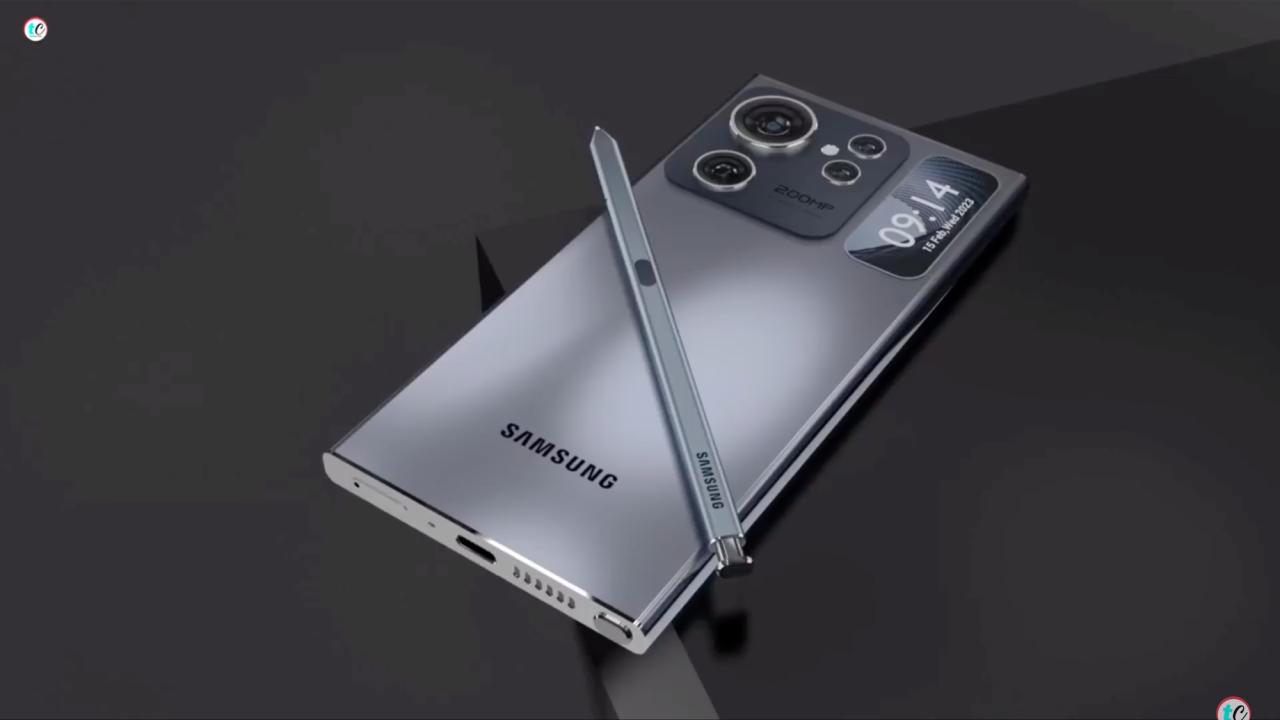
The Samsung Note7 became infamous for its safety concerns, primarily due to incidents of batteries catching fire or exploding. These unforeseen malfunctions led to a widespread recall and significantly affected consumer trust in the brand. Understanding the safety issues and the response by Samsung is crucial in evaluating the overall impact of the Note7 saga on the company’s reputation.
Samsung faced substantial safety concerns as reports emerged of Note7 devices overheating, leading to fires and potential injuries. The primary issue was traced back to the lithium-ion battery, which had design flaws that caused short circuits. As these incidents garnered media attention, the company recognized that swift action was necessary to mitigate risks and protect consumers.
Recall Process and Steps Taken by Samsung
Samsung launched a global recall of the Note7 to address the critical safety issues. The response involved several key steps to ensure consumer safety and restore confidence in the brand:
1. Initial Recall Announcement: In September 2016, Samsung officially announced the recall, advising consumers to stop using their devices and exchange them for new models.
2. Battery Replacement Program: The company instituted a battery replacement program, offering replacement units that were deemed safe after rigorous testing.
3. Return and Refund Options: Samsung provided consumers with multiple options, including exchanging their Note7 for a different Samsung device or opting for a full refund.
4. Enhanced Safety Measures: To prevent future occurrences, Samsung implemented an extensive quality assurance program, which included a multi-layered battery safety check known as the “8-point battery safety check.”
5. Collaboration with Regulatory Bodies: Samsung worked closely with global regulatory authorities, including the U.S. Consumer Product Safety Commission, to ensure compliance with safety standards.
The Note7 recall not only impacted consumer trust but also altered the landscape for smartphone manufacturers. While the immediate effect was a significant dip in Samsung’s brand reputation, the long-term consequences included heightened scrutiny over battery safety in the industry as a whole.
Impact on Consumer Trust in Samsung Products
The fallout from the Note7 incidents was profound, affecting consumer trust significantly. Prior to the recall, Samsung had built a reputation for innovation and quality. However, the safety failures associated with the Note7 led to a decline in consumer confidence. Research indicated that a considerable number of consumers were hesitant to purchase Samsung devices in the immediate aftermath of the recall.
A survey conducted shortly after the recall revealed that:
– Over 30% of respondents expressed concerns about Samsung’s commitment to product safety.
– Approximately 25% stated they would consider switching to another brand due to these safety issues.
In addition to affecting sales, the recall has prompted a broader discussion on safety standards within the tech industry. Samsung’s subsequent efforts to re-establish trust through transparency and commitment to safety may serve as a model for future recalls in the industry. The Note7 incident has left an indelible mark, underscoring the critical importance of consumer safety in technology innovation.
Market Impact and Consumer Reactions

The Samsung Note7 controversy significantly reshaped consumer perceptions and had substantial repercussions on the smartphone market. The unprecedented recall due to safety issues not only affected Samsung’s brand reputation but also had ripple effects throughout the tech industry, influencing consumer behavior, sales figures, and competitor strategies.
The sales performance of the Samsung Note7 during the controversy is a testament to its initial popularity, followed by a drastic decline in consumer trust. Initially, the Note7 was projected to achieve strong sales, with estimates suggesting over 10 million units sold in the first month alone. However, after the announcement of the recall, sales plummeted, leading to a reported loss of approximately $5.3 billion for Samsung. The company’s market share dipped from 21% to 18%, and the ripple effect was felt as supply chains across the industry adjusted to the fallout.
Consumer Sentiment Shift, Samsung note7
The consumer sentiment towards Samsung experienced a pronounced shift due to the Note7 incidents. Before the controversy, Samsung was often lauded for its innovative designs and cutting-edge technology. However, the explosive battery issues led to a significant erosion of consumer trust. Surveys conducted post-recall indicated that 33% of consumers considered switching brands due to safety concerns.
Important to note are the statistics reflecting consumer attitudes:
- Prior to the recall, Samsung held a brand loyalty rating of approximately 85%, which dropped to around 60% post-recall.
- According to a survey by YouGov, Samsung’s brand perception fell from 76% positive to just 39% in the months following the recall.
- Competitors like Apple and Google capitalized on Samsung’s missteps, as their brand perception ratings rose, indicating a shift in consumer preference.
User Testimonials
Testimonials from users provide personal insights into the Note7 experience and the recall’s impact on consumer sentiment. Many users shared their initial excitement about the device, followed by feelings of betrayal and concern during the recall process.
A few selected testimonials highlight varied experiences:
“I loved my Note7; it was everything I wanted in a phone. When I heard about the recall, I was devastated. I trusted Samsung, and it felt like they let us down.” – John, a former Note7 user.
“When my Note7 overheated, I was terrified. I immediately switched to another brand after that. It’s hard to trust Samsung again.” – Emily, a tech enthusiast.
“The Note7 recall made me reconsider my loyalty to Samsung. I didn’t want to take any risks with my safety.” – Ahmed, a long-time Samsung customer.
These testimonials reflect a broader sentiment of disappointment and a shift in brand loyalty, showcasing how one incident can lead to long-term changes in consumer behavior and brand perception in the competitive smartphone market.
Legacy of the Samsung Note7
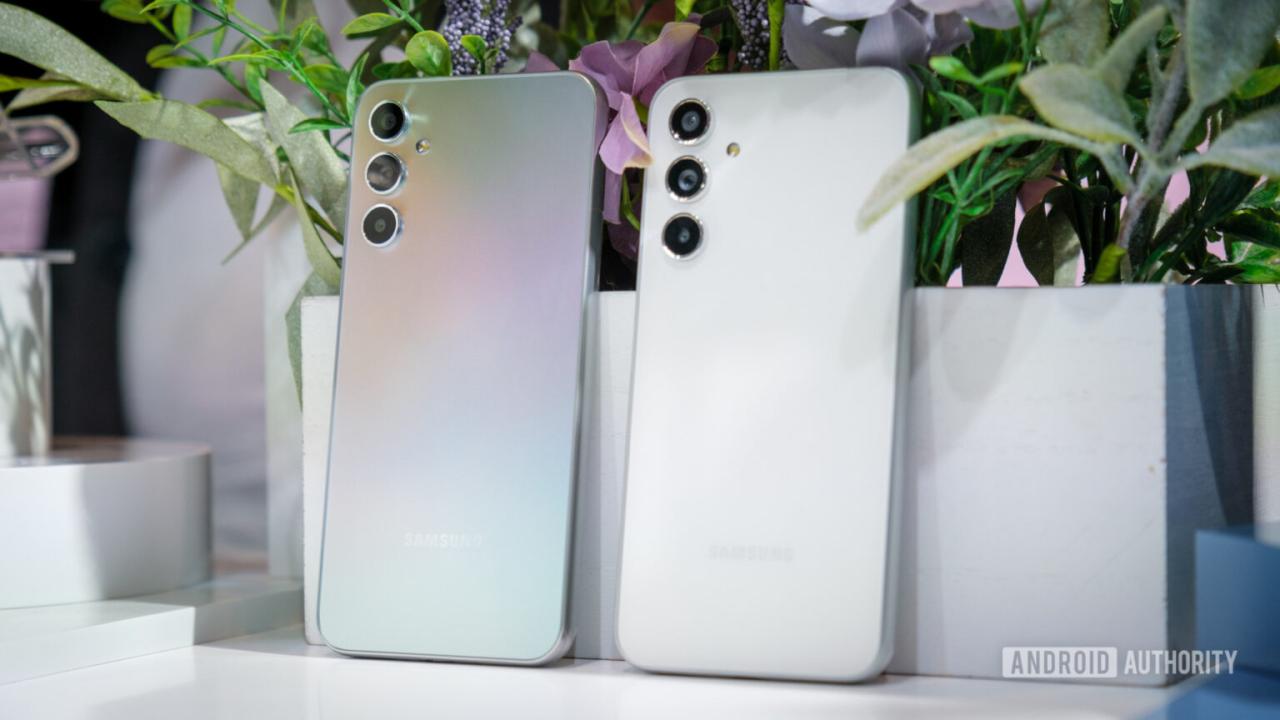
The Samsung Note7, while infamous for its safety issues, has left a significant mark on the smartphone industry, influencing safety standards and consumer expectations in ways that are still felt today. The fallout from its recall not only reshaped Samsung’s approach to product design but also set precedent for the entire mobile technology sector. As the first major incident of its kind in the smartphone era, it prompted a reevaluation of safety protocols and consumer trust in high-tech devices.
The long-term effects of the Note7 on the smartphone industry and safety regulations have been profound.
Manufacturers began to prioritize safety in ways that were previously overlooked. The incident catalyzed a wave of new safety regulations, which have become integral to the design and engineering processes within the tech industry. As a reaction to the Note7 crisis, organizations such as the Consumer Product Safety Commission (CPSC) in the United States strengthened their guidelines regarding battery safety and device performance standards. The impact of these regulations extends far beyond Samsung itself, pushing all manufacturers to adopt more rigorous testing protocols.
Influence on Product Design
The Note7 incident significantly impacted future product designs, not only for Samsung but for competitors as well. In the wake of the recall, companies began to adopt more transparent development processes and invested in comprehensive testing regimes for their devices. Key influences include:
- Enhanced Battery Testing: Manufacturers have since implemented more stringent battery testing protocols, including the use of advanced thermal imaging and stress testing during design phases to preemptively identify vulnerabilities.
- Battery Management Systems: The integration of sophisticated battery management systems became a standard practice, designed to monitor and regulate battery performance and temperature to prevent overheating.
- Consumer Feedback Incorporation: Companies actively sought consumer feedback during the development stages, ensuring that user concerns were addressed before launch, thereby increasing transparency and trust.
The Note7 incident also reshaped consumer expectations for smartphone safety features. As consumers became more aware of the potential dangers associated with lithium-ion batteries, they began to demand higher safety standards and more robust safety features in their devices. This shift in consumer sentiment led to several significant developments:
- Consumer Education: Brands have taken steps to educate consumers on how to properly use and maintain devices, emphasizing the importance of following safety guidelines for battery care.
- Increased Safety Features: Innovations such as flame-retardant battery casings, temperature control sensors, and physical safety switches became common in new devices, reflecting heightened safety concerns.
- Transparency in Marketing: Brands have shifted their marketing strategies to highlight safety and reliability, with many launching dedicated campaigns focusing on safety features to reassure consumers.
“The Note7 incident served as a wake-up call for the entire industry, proving that safety cannot be an afterthought but a priority from the very beginning of the design process.”
Common Queries
What were the main features of the samsung note7?
The samsung note7 featured a 5.7-inch dual-edge Super AMOLED display, a powerful Snapdragon 820 processor, and an improved S Pen with enhanced functionalities.
Why was the samsung note7 recalled?
The recall was initiated due to reports of battery fires and explosions, posing serious safety risks to users.
How did the samsung note7 impact consumer trust?
The incident significantly damaged consumer trust in Samsung, leading to increased scrutiny of their products and safety practices.
What lessons were learned from the samsung note7 incident?
The Note7 incident underscored the importance of rigorous safety testing and quality control in the tech industry.
Did the samsung note7 influence future smartphone designs?
Yes, it prompted manufacturers to enhance safety features and improve battery technology in subsequent devices.
The Samsung Galaxy S10+ stands out with its stunning display and impressive camera features, making it a top choice for tech enthusiasts. Its sleek design not only offers aesthetic appeal but also enhances user experience, ensuring that your daily tasks are managed with efficiency and style. Whether you’re capturing photos or streaming videos, this smartphone excels in every aspect.
With the introduction of the Samsung S 19 , users can expect cutting-edge technology that redefines what a smartphone can do. This model is designed to push boundaries with its advanced features and performance capabilities, making it a must-have for anyone looking to stay ahead in the digital age. From enhanced processing power to an innovative camera system, the S 19 delivers on all fronts.