Samsung galaxy s ii stands as a testament to innovation, showcasing a blend of cutting-edge technology and sleek design that captivated users during its release. With its impressive specifications, stylish materials, and user-friendly interface, this smartphone not only defined a generation but also set a high standard for future devices.
The Samsung Galaxy S II features a vibrant display, robust performance, and a host of software capabilities that cater to both casual users and tech enthusiasts. From its elegant design to the intuitive user experience, it remains a noteworthy topic in the ever-evolving landscape of smartphones.
Features of Samsung Galaxy S II

The Samsung Galaxy S II, released in 2011, marked a significant advancement in smartphone technology, offering a blend of powerful hardware and innovative design. It was one of the first devices to showcase a Super AMOLED Plus display, which provided vibrant colors and deep blacks, enhancing the overall user experience.
The Samsung Galaxy S II comes equipped with impressive specifications that cater to a variety of user needs. With a 1.2 GHz dual-core processor and 1 GB of RAM, the device ensures smooth multitasking and efficient performance. The phone features a 4.3-inch Super AMOLED Plus display, boasting a resolution of 800 x 480 pixels, which delivers sharp visuals. On the photography front, the Galaxy S II includes an 8-megapixel rear camera with autofocus and LED flash, allowing users to capture high-quality images and 1080p video recording. Additionally, a front-facing 2-megapixel camera is included for video calls and selfies.
Design Elements and Materials
The design of the Samsung Galaxy S II is characterized by its sleek and lightweight form factor. Weighing only 116 grams, it is one of the more portable smartphones of its time. The device features a slim profile with dimensions of 125.3 x 66.1 x 8.49 mm, making it comfortable to hold and easy to operate with one hand. The front of the phone is dominated by the impressive Super AMOLED Plus display, framed by a glossy plastic bezel that enhances its modern aesthetic.
The back cover of the Galaxy S II is made from durable plastic, contributing to its lightweight design while ensuring resilience against everyday wear and tear. The choice of materials allowed Samsung to create a device that not only looks premium but also feels sturdy. The overall finish of the phone is smooth, with a slightly curved design that adds to its ergonomic appeal. The Galaxy S II is available in various colors, including black and white, catering to different style preferences.
Software Capabilities and User Interface
Running on Android 2.3 Gingerbread at launch, the Samsung Galaxy S II brought an intuitive user interface that was enhanced with Samsung’s TouchWiz overlay. This customization provided users with a more vibrant and user-friendly experience, featuring dynamic widgets and a customizable home screen. The interface allowed for easy access to apps and settings, streamlining the user experience.
Samsung regularly updated the device to newer versions of Android, enhancing functionality and security. Features such as Smart Stay, which uses the front-facing camera to detect user attention, and a variety of gesture controls, further showcased the software capabilities of the Galaxy S II. The device also supports Samsung’s proprietary applications, such as S Planner and S Memo, which assist users in organizing their daily tasks efficiently.
The Galaxy S II’s software capabilities include support for high-definition video playback, robust gaming performance, and multitasking functionalities that enable users to run multiple applications simultaneously with ease. With these features, the Samsung Galaxy S II set a benchmark for future smartphones, highlighting the importance of a seamless blend between hardware and software in enhancing the overall user experience.
Performance and User Experience
The Samsung Galaxy S II, a frontrunner in the smartphone market upon its release, has garnered attention for its impressive performance capabilities and user-friendly experience. With advancements in mobile technology, this device is designed to handle a myriad of tasks seamlessly, catering to both casual users and tech enthusiasts alike.
The performance benchmarks of the Samsung Galaxy S II highlight its powerful hardware, which includes a dual-core processor paired with ample RAM. This combination allows the device to excel in various tasks, from gaming to multitasking. In benchmark tests, the Galaxy S II consistently showcases impressive scores across several platforms, including AnTuTu and Quadrant. For example, users reported Quadrant scores exceeding 3500, indicating exceptional processing speed. The integration of the Mali-400 GPU further enhances the device’s graphics performance, making it suitable for intensive mobile gaming and graphic-intensive applications.
Battery Life and Management Features
The Samsung Galaxy S II is equipped with a robust battery management system that plays a crucial role in its overall performance. Understanding battery life is essential for mobile users, as it directly impacts daily usage and convenience. The device features a 1650 mAh battery, which, when optimally managed, can provide substantial longevity for users.
The battery management features include:
- Power Saving Mode: This feature reduces background data usage and limits performance to extend battery life when needed.
- Usage Statistics: Users can monitor app usage through integrated settings, allowing for informed decisions regarding battery-draining applications.
- Adjustable Brightness: The ability to manually adjust screen brightness contributes significantly to battery conservation, especially in low-light situations.
Many users have reported that, with moderate usage, the Galaxy S II can last a full day on a single charge, showcasing its efficient power management capabilities.
User Reviews and Experiences
The user experiences surrounding the Samsung Galaxy S II further underline its performance and efficiency. Many reviews emphasize the device’s speed and responsiveness, with users noting the swift launch of applications and smooth transitions between tasks.
Notable feedback includes:
- Fast Operation: Users frequently mention the device’s ability to handle multiple applications simultaneously without lag, even with demanding tasks.
- Efficient Gaming: The combination of the dual-core processor and dedicated GPU allows for a fluid gaming experience, with titles such as “Angry Birds” and “Temple Run” running seamlessly.
- Positive Multitasking Experience: Users appreciate the seamless switching between applications, highlighting the Galaxy S II’s capability to manage notifications and background processes efficiently.
In essence, the Samsung Galaxy S II has successfully established itself as a powerhouse of performance, providing users with a reliable smartphone experience characterized by speed and efficiency.
Comparison with Competitors
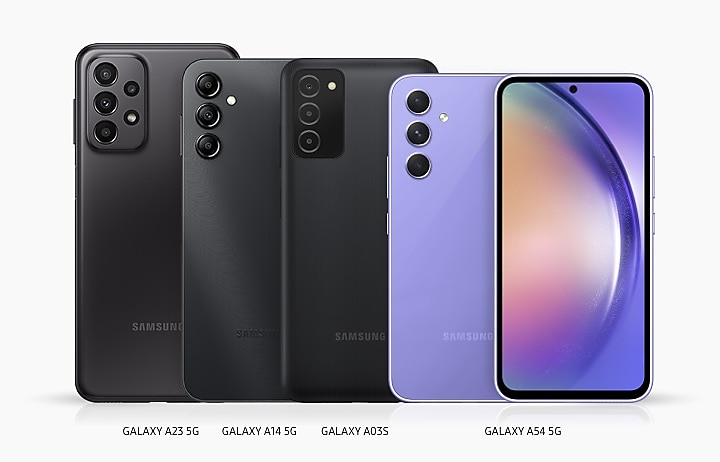
The Samsung Galaxy S II was launched in 2011, a time when the smartphone market was rapidly evolving with formidable competitors. This section delves into how the Galaxy S II fared against its contemporaries, highlighting its strengths and weaknesses compared to other flagship devices of the era.
Key Competitors of the Samsung Galaxy S II
During its release, the Galaxy S II faced stiff competition from several flagship smartphones. Notable contenders included the Apple iPhone 4S, HTC Sensation, and Motorola Droid Bionic. Each of these devices brought unique features to the table, making the competitive landscape quite dynamic.
- Apple iPhone 4S: Known for its seamless integration with iOS and a polished user experience, the iPhone 4S featured a dual-core A5 processor, an 8 MP camera, and Siri, Apple’s voice assistant. While it excelled in performance and software, the closed ecosystem and lack of customizable options were seen as drawbacks compared to the Galaxy S II.
- HTC Sensation: This device showcased a solid build quality and a vibrant display. It offered features like HTC Sense UI and dual 1.2 GHz processors. However, it struggled with battery life and was not as lightweight as the Galaxy S II, giving Samsung an edge in portability.
- Moto Droid Bionic: It came with impressive specifications, including a dual-core processor and 4G LTE support. However, its bulky design and heavy weight made it less appealing for everyday use compared to the sleek design of the Galaxy S II.
Advantages and Disadvantages of the Galaxy S II
The Samsung Galaxy S II offered several advantages over its competitors, which contributed to its popularity in the market. However, it was not without its drawbacks.
- Advantages:
- The Galaxy S II was praised for its lightweight design, making it highly portable.
- Its Super AMOLED display provided vibrant colors and deep blacks, offering an excellent viewing experience.
- Samsung’s TouchWiz UI allowed for extensive customization compared to the more rigid interfaces of competitors.
- Disadvantages:
- Battery life was a concern for some users, particularly with heavy usage of its powerful features.
- While the camera was good, it fell slightly short of the performance seen in the iPhone 4S.
- The build quality, while decent, did not match the premium feel of the iPhone or HTC models.
Unique Selling Points of the Samsung Galaxy S II
The Galaxy S II had several unique selling points that helped it stand out in a crowded market. These features played a crucial role in elevating its status among users.
- Lightweight Design: At just 116 grams, the Galaxy S II was one of the lightest smartphones available, appealing to users looking for a comfortable, pocket-friendly device.
- Display Technology: The 4.3-inch Super AMOLED Plus display offered superior color accuracy and contrast, making it one of the best screens for media consumption at the time.
- Performance: With a 1.2 GHz dual-core processor and 1 GB of RAM, the device outperformed many of its competitors in speed and efficiency, particularly in multitasking scenarios.
- Expandable Storage: The inclusion of a microSD card slot allowed users to expand storage easily, a feature that was not available in devices like the iPhone 4S.
Legacy and Impact on Smartphone Evolution
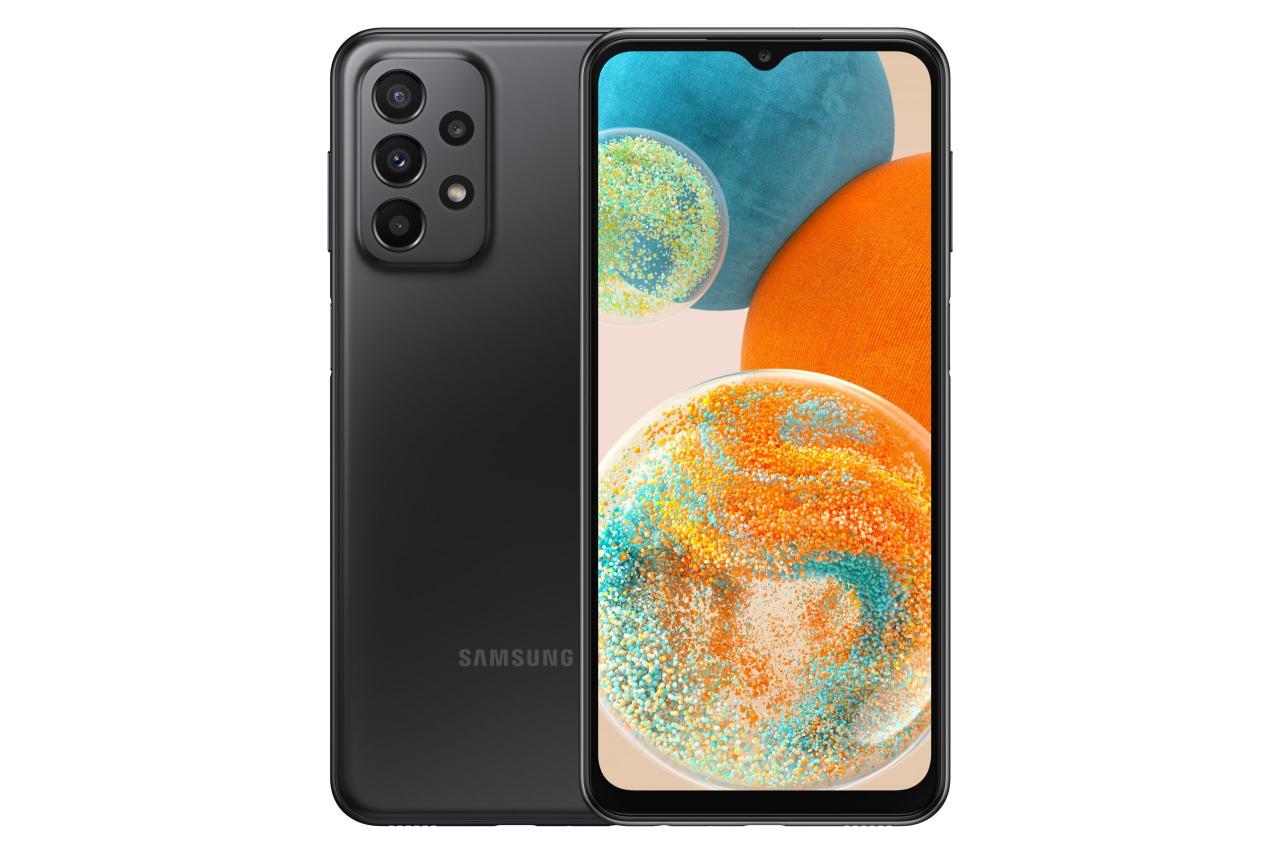
The Samsung Galaxy S II holds a crucial place in the timeline of smartphone development, setting a high bar for technology and consumer expectations that would shape future devices. Released in 2011, it marked a turning point not only for Samsung but for the entire smartphone industry, introducing features and performance benchmarks that would become standard in subsequent smartphone designs.
The historical significance of the Samsung Galaxy S II can be traced through its innovative specifications and features that influenced countless models that followed. The device was one of the first to utilize a dual-core processor, which significantly enhanced performance efficiency for multitasking and demanding applications. This shift towards higher processing power laid the groundwork for the development of even faster and more capable smartphones in the following years. Furthermore, the Galaxy S II was among the first to embrace larger screen sizes and superior display technology, which has become a dominant trend in the smartphone market.
Influence on Subsequent Smartphone Models
The impact of the Samsung Galaxy S II on later smartphone designs is evident in various dimensions. Its design language, characterized by a sleek form factor and lightweight construction, set a template that many manufacturers have followed. Aspects such as the use of plastic for a lightweight feel while maintaining durability became a norm in subsequent devices, influencing companies like Apple and LG in their own designs.
Key features introduced or popularized by the Galaxy S II include:
- High-resolution Displays: The Galaxy S II featured a 4.3-inch Super AMOLED Plus display, which paved the way for the trend of large, vibrant screens in smartphones.
- High-performance Cameras: With an 8-megapixel rear camera and 2-megapixel front camera, the S II set a standard for camera quality that consumers began to expect from all smartphones.
- Customization and User Interface: Samsung’s TouchWiz interface allowed for extensive customization, influencing how future devices approached user experience and personalization.
- 4G LTE Capabilities: The S II was among the early adopters of 4G technology, pushing competitors to enhance network capabilities in their devices.
- App Ecosystem Expansion: By supporting a wide array of applications, the Galaxy S II helped to solidify the smartphone as a versatile device for both productivity and entertainment.
“The Samsung Galaxy S II did not just raise the stakes; it redefined what consumers expected from a smartphone.”
The Galaxy S II also played a significant role in shaping consumer expectations. Users began to demand not only more powerful hardware but also enhanced software capabilities and seamless integration of features. This shift in consumer mindset has driven manufacturers to innovate continually, resulting in rapid advancements in smartphone technology.
The legacy of the Samsung Galaxy S II remains palpable in the industry today. Its blend of performance, design, and consumer-focused features forged a path that many manufacturers continue to follow, demonstrating the far-reaching influence of this iconic smartphone on the evolution of mobile technology.
Questions Often Asked: Samsung Galaxy S Ii
What year was the Samsung Galaxy S II released?
The Samsung Galaxy S II was released in 2011.
Does the Samsung Galaxy S II support 4G networks?
No, the Samsung Galaxy S II only supports 3G networks.
What operating system does the Samsung Galaxy S II run?
The Samsung Galaxy S II originally ran Android 2.3 Gingerbread but is upgradeable to newer versions.
What is the screen size of the Samsung Galaxy S II?
The Samsung Galaxy S II features a 4.3-inch Super AMOLED display.
Is the Samsung Galaxy S II water-resistant?
No, the Samsung Galaxy S II is not water-resistant.
The Galaxy S 7 remains a classic choice for those who appreciate a blend of design and performance. With its sleek profile and robust features, this smartphone paved the way for its successors, setting a high standard in the mobile industry. Users still admire its camera capabilities and user-friendly interface, making it a reliable device even years after its release.
When it comes to flagship devices, the Samsung Galaxy S10+ stands out with its stunning display and powerful performance. This smartphone offers an impressive battery life and exceptional camera features that cater to photography enthusiasts. Whether you’re streaming videos or multitasking, the Galaxy S10+ delivers a premium experience that keeps users satisfied and engaged.