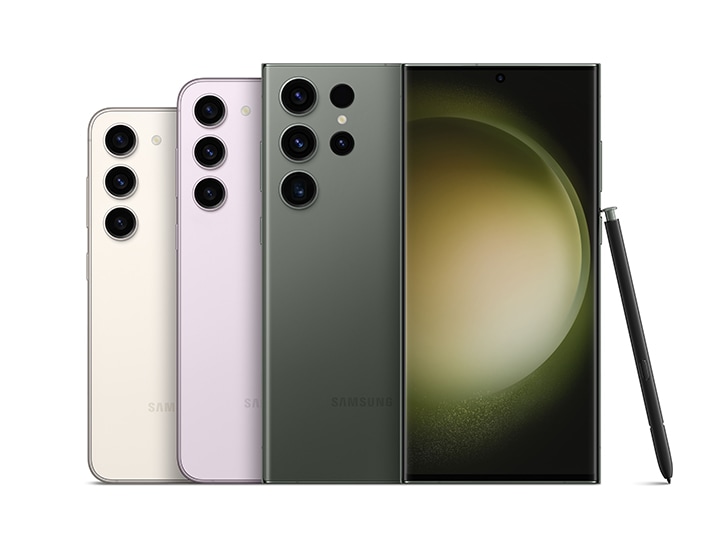
samsung galaxy note 7 serves as a pivotal chapter in the narrative of smartphone innovation, showcasing cutting-edge technology and design that captivated consumers worldwide. Launched with high expectations, this flagship device featured remarkable specifications, such as a stunning display, powerful performance, and the beloved S Pen, which promised users an unparalleled experience. However, the excitement surrounding its release soon gave way to a crisis that would forever change the landscape of mobile devices.
The Galaxy Note 7’s introduction was marked by initial acclaim, with users enamored by its sleek aesthetics and advanced features. Yet, it wasn’t long before reports of battery malfunctions emerged, leading to one of the most significant product recalls in tech history. This incident not only affected Samsung’s reputation but also raised important questions about safety and quality assurance in the smartphone industry.
Overview of Samsung Galaxy Note 7
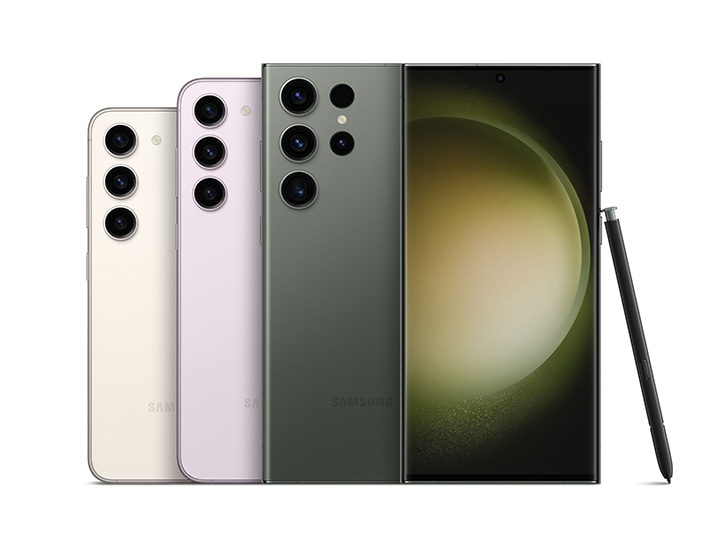
The Samsung Galaxy Note 7 was officially launched on August 2, 2016, marking a significant moment in the history of mobile technology. Positioned as a premium device, the Note 7 was part of Samsung’s well-regarded Note series, synonymous with high-performance capabilities and productivity features. Incorporating innovative technology, the device aimed to appeal to both business professionals and tech enthusiasts seeking a versatile smartphone.
The Galaxy Note 7 featured a 5.7-inch Quad HD Super AMOLED display, boasting a resolution of 1440 x 2560 pixels for stunning visuals. Its sleek design included curved edges, giving it a modern and sophisticated appeal. The device was powered by either the Qualcomm Snapdragon 820 or Samsung’s own Exynos 8890 processor, depending on the market, coupled with 4GB of RAM. With an internal storage option of 64GB, expandable via microSD, the Note 7 catered to users requiring ample space for applications and multimedia. Additionally, the device was equipped with a 12MP rear camera and a 5MP front-facing camera, both capable of producing high-quality images, complemented by features like Dual Pixel autofocus and optical image stabilization.
Technical Specifications and Unique Selling Points
The Samsung Galaxy Note 7 differentiated itself from competitors through several key features and specifications that emphasized its productivity and multimedia capabilities.
- Water and Dust Resistance: The Note 7 received an IP68 rating, making it resistant to water and dust, which added to its durability and appeal for outdoor use.
- Enhanced S Pen: The device included an improved S Pen stylus, which featured better sensitivity and was even water-resistant. This made note-taking and sketching more intuitive and enjoyable.
- Battery and Charging: The Note 7 came with a 3,500 mAh battery and supported both fast wired and wireless charging, catering to users’ needs for efficiency and convenience.
- Security Features: The device offered an iris scanner for biometric security, providing an additional layer of protection beyond the traditional fingerprint sensor.
- Software Features: Samsung’s TouchWiz interface on the Note 7 included features like split-screen multitasking and an upgraded Edge panel, enhancing productivity for power users.
Initial market reception of the Galaxy Note 7 was largely positive, with reviews praising its design, performance, and feature set. However, consumer feedback soon became complicated when reports of battery issues emerged, leading to widespread concerns about safety. The device was heralded as one of the finest smartphones of its time, but the subsequent recall and discontinuation in September 2016 due to fire hazards tarnished its legacy. Despite this, the Note 7’s innovative features and advancements in mobile technology left a lasting impact on the industry, paving the way for future iterations in the Galaxy Note series.
Battery Issues and Recalls
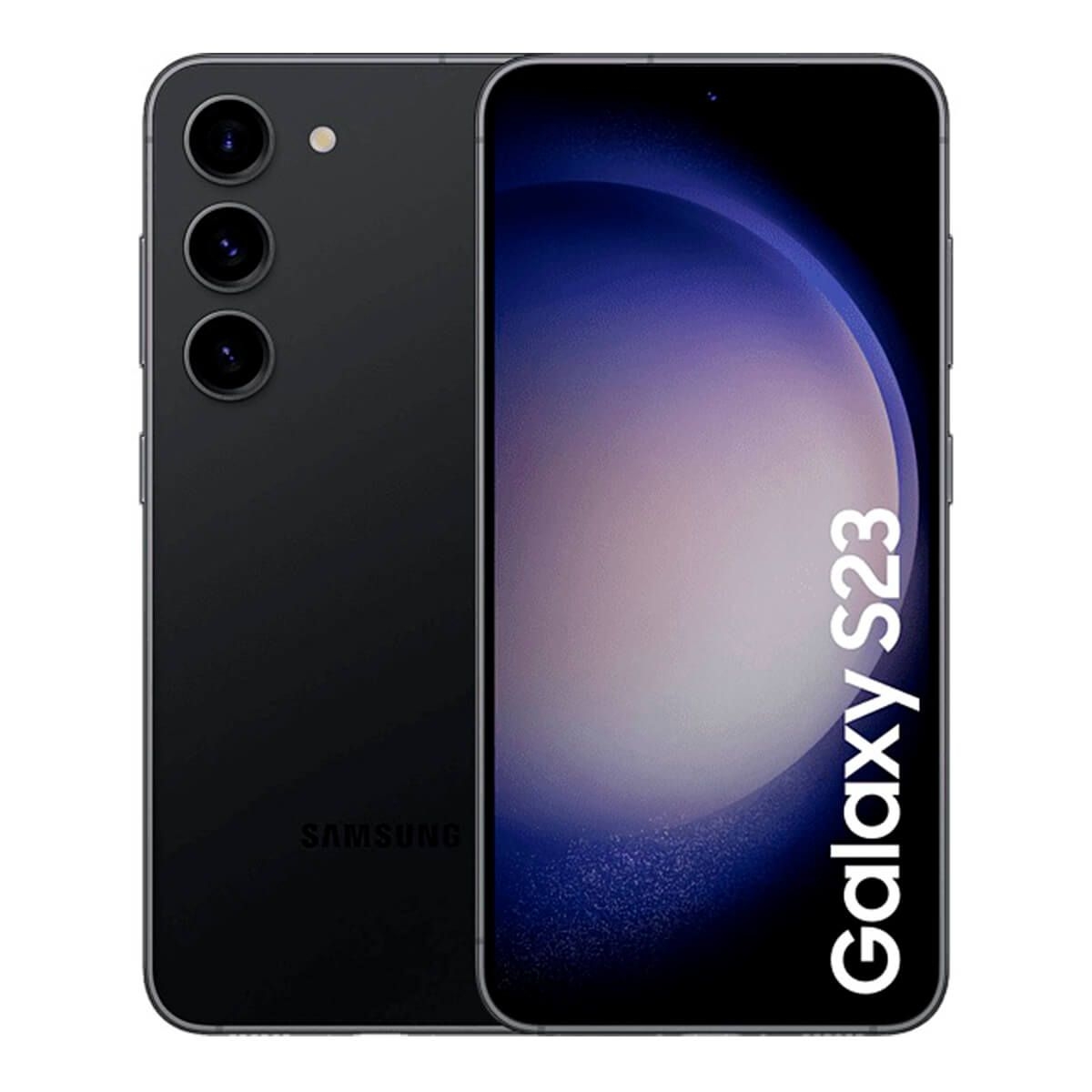
The Samsung Galaxy Note 7, once hailed for its cutting-edge features and sleek design, became infamous due to serious battery issues that led to widespread recalls and safety concerns. The situation escalated quickly, transforming a flagship device into a cautionary tale within the tech industry.
The initial battery problems surfaced shortly after the Galaxy Note 7’s launch in August 2016, when users reported incidents of devices overheating and even catching fire. Investigations revealed that the root cause lay in the phone’s lithium-ion batteries, which were prone to short-circuiting. In response to these alarming reports, Samsung took swift action, issuing a global recall of approximately 2.5 million units in September 2016. The company offered customers replacements, urging them to return their devices for new, supposedly safer units. However, shortly after the replacement phones were distributed, reports of overheating resumed, forcing Samsung to expand the recall to include the new devices as well.
Company Response and Recall Steps
Samsung’s response to the battery crisis was multifaceted, involving a series of structured measures aimed at restoring consumer trust and ensuring safety. The company’s actions included:
- Issuing a voluntary recall in September 2016, which involved replacing all devices sold globally.
- Implementing a battery replacement program that included extensive testing and oversight by the company’s engineering teams.
- Working with global regulatory agencies to ensure compliance and safety in all markets.
- Introducing a new battery safety protocol, which included an 8-point battery safety check designed to minimize risks in future devices.
- Publicly communicating the issue and its resolution efforts through press releases and direct customer outreach, aiming to maintain transparency.
The impact of the Galaxy Note 7’s battery problems resonates beyond Samsung, marking a significant moment in the smartphone industry. Other manufacturers have faced similar issues, albeit with varying levels of severity. Notably, the iPhone 6 series faced battery performance complaints, while the Samsung Galaxy S7 also had isolated incidents. However, none reached the scale of the Note 7’s crisis, which resulted in significant financial implications, including a loss of over $5 billion for Samsung.
“The Galaxy Note 7 incident serves as a critical reminder of the importance of rigorous testing and quality control in the tech industry.”
Ultimately, the Galaxy Note 7’s battery issues highlighted the fragility of consumer trust in technology, compelling manufacturers to prioritize safety and transparency in product development.
Design Innovations
The Samsung Galaxy Note 7 introduced a blend of sophisticated elegance and cutting-edge technology, setting a new benchmark in the smartphone industry. Its design not only emphasized aesthetics but also enhanced functionality, making it a standout device among its predecessors.
The Galaxy Note 7 featured an array of design elements that significantly distinguished it from earlier models. One of the most notable aspects was the introduction of a dual-curved edge display. This design element allowed for a more immersive viewing experience while providing additional functionality through the Edge panel, which offered quick access to apps and notifications. The phone’s dimensions were carefully crafted to fit comfortably in the user’s hand, complemented by a metal frame that provided durability and a premium feel.
Integration of S Pen and Display Technology
The S Pen integration in the Galaxy Note 7 was a significant enhancement over previous iterations, further enriching the user experience. This stylus featured improved pressure sensitivity, enabling users to create more detailed notes and drawings. The S Pen also introduced new functionalities such as screen-off memo, which allowed users to jot down notes directly on the screen without unlocking the device, making it incredibly convenient for quick reminders.
Additionally, the display technology used in the Note 7 was state-of-the-art. It sported a 5.7-inch Super AMOLED display with a resolution of 1440 x 2560 pixels, providing vibrant colors and deep blacks that significantly enhanced multimedia consumption. The display was also HDR (High Dynamic Range) compatible, which improved the quality of video playback by providing a broader spectrum of colors and greater contrast.
Materials and Their Benefits, Samsung galaxy note 7
The construction of the Galaxy Note 7 involved premium materials that not only enhanced its aesthetic appeal but also contributed to its durability. The device utilized Gorilla Glass 5 on both the front and back, which offered improved scratch resistance and durability against drops. This feature was particularly significant for users with active lifestyles, as it provided peace of mind regarding the phone’s resilience.
The metal frame, constructed from aluminum, added to the device’s strength while maintaining a lightweight profile, making it easier to handle and carry. The combination of these high-quality materials resulted in a device that not only looked sophisticated but also stood the test of time in everyday usage.
The Galaxy Note 7 exemplified a masterful confluence of design and technology, making it a pivotal device in Samsung’s legacy.
Legacy and Influence
The Galaxy Note 7 incident left an indelible mark on Samsung’s brand reputation and the smartphone industry as a whole. Despite its initial promise and innovative features, the device became infamous for its battery issues, leading to recalls and significant financial losses. This event sparked widespread debate about product safety and quality assurance in consumer electronics, reshaping how manufacturers approach these critical aspects of device development.
The long-term effects of the Galaxy Note 7 incident have been felt across various dimensions of Samsung’s brand image and the broader smartphone market. Rebuilding consumer trust required a multifaceted approach, emphasizing transparency, improved safety protocols, and a commitment to quality in subsequent product releases. Samsung’s response to the crisis highlighted the importance of swift action and clear communication in maintaining customer loyalty.
Impact on Samsung’s Brand Reputation
Samsung’s reputation suffered a notable blow due to the Galaxy Note 7 crisis. The company’s market share took a hit, and consumer confidence declined as a result of the negative publicity surrounding the device’s safety issues. However, Samsung’s proactive measures played a crucial role in restoring its brand image. Key strategies included:
- Transparent Communication: Samsung openly addressed the issues, providing regular updates about recalls and safety investigations.
- Enhanced Safety Measures: The company implemented rigorous testing protocols for future devices, including an 8-point safety check for batteries.
- New Product Launches: Samsung introduced subsequent models, such as the Galaxy S8 and Note 8, which received positive reviews and showcased enhanced features and safety.
The recovery of Samsung’s brand reputation was not instantaneous; it required sustained efforts to demonstrate reliability and innovation in their products. Over time, consumers began to trust Samsung again, as evidenced by the strong sales of later flagship models.
Influence on Future Smartphone Designs and Safety Regulations
The Galaxy Note 7 incident significantly influenced the design philosophy of future smartphones and the establishment of new safety regulations within the industry. Manufacturers became acutely aware of the need to prioritize safety alongside innovation. Key developments include:
- Battery Technology Improvements: The incident prompted research into safer battery technologies, including solid-state batteries that reduce the risk of combustion.
- Design Modifications: Future devices were designed with better thermal management systems and improved battery compartment layouts to mitigate overheating risks.
- Regulatory Changes: The incident led to increased scrutiny from regulatory bodies, resulting in stricter safety standards and testing protocols for consumer electronics.
The focus on safety has since become a cornerstone of product development, influencing not just Samsung, but the entire industry as competitors sought to avoid similar pitfalls.
Rebuilding Consumer Trust in Subsequent Products
Rebuilding consumer trust following the Galaxy Note 7 incident required a concerted effort from Samsung to demonstrate accountability and commitment to quality. The following strategies were pivotal in this restoration process:
- Customer Engagement: Samsung engaged with customers directly through surveys and feedback mechanisms to better understand consumer concerns and expectations.
- Frequent Updates: The company provided ongoing updates regarding safety measures and product enhancements, ensuring transparency.
- Successful Marketing Campaigns: Samsung launched marketing campaigns that highlighted the safety features and innovations in new products, reinforcing consumer confidence.
Ultimately, Samsung’s ability to navigate the aftermath of the Note 7 crisis set a precedent for how technology companies manage brand reputation and consumer relations in the face of adversity.
Essential FAQs
What were the key features of the Samsung Galaxy Note 7?
The Samsung Galaxy Note 7 featured a 5.7-inch Super AMOLED display, a dual-edge curved design, a powerful Snapdragon 820 processor, and an integrated S Pen.
How did Samsung respond to the battery issues?
Samsung initiated a global recall of the Galaxy Note 7, offering customers replacements and refunds while conducting a thorough investigation into the battery failures.
What impact did the Galaxy Note 7 have on Samsung’s brand?
The Galaxy Note 7 incident temporarily damaged Samsung’s reputation, but the company worked diligently to rebuild consumer trust through enhanced safety measures in future products.
Did the Galaxy Note 7 influence future smartphone designs?
Yes, the design and technological innovations of the Galaxy Note 7 influenced subsequent smartphone models, particularly in terms of display quality and user interface features.
What lessons did the tech industry learn from the Galaxy Note 7?
The tech industry learned the importance of rigorous quality control and the need for transparent communication with consumers regarding product safety issues.
The Samsung Galaxy S11 stands out with its impressive camera capabilities and sleek design. Its advanced features cater to tech enthusiasts and everyday users alike, making it a top contender in the smartphone market. With improvements in battery life and processing power, the S11 is designed to meet all your needs seamlessly.
When comparing with its predecessor, the Samsung Galaxy S10plus offers a solid performance that still holds its ground. While the S11 elevates the experience with new technology, the S10plus remains a reliable choice for those who appreciate its unique features and robust performance.