chip iphone sets the stage for this enthralling narrative, offering readers a glimpse into a story that is rich in detail and innovation. Over the years, iPhone chip technology has evolved significantly, transforming the performance and capabilities of these iconic devices. From the inception of A-series chips to the latest advancements, each iteration has brought about remarkable improvements in processing power, efficiency, and battery life, making them the heartbeat of every iPhone.
This exploration dives into the intricate world of iPhone chips, examining their manufacturing processes, performance metrics, and the visionary trends shaping their future. By understanding the nuances of chip technology, we can appreciate how these components not only enhance user experience but also define the trajectory of mobile devices as we know them.
Chip Technology in iPhones

The evolution of chip technology in iPhones has marked significant advancements in performance, efficiency, and overall user experience. Since the introduction of the first iPhone, Apple has continuously refined its chip architecture to meet the growing demands of mobile computing, graphics processing, and artificial intelligence. This journey showcases Apple’s commitment to innovation and its ability to lead in the smartphone market.
Over the years, Apple has developed a series of A-series chips, each iteration bringing improvements in speed, power management, and graphics capabilities. Starting with the A4 chip in 2010, which powered the iPhone 4, Apple has transitioned through multiple generations—each one designed to enhance performance while reducing energy consumption.
Differences between A-series Chips in Various iPhone Models
The A-series chips have evolved to include various enhancements that cater to the specific capabilities of each iPhone model. Below is a summary of the key differences:
- A4 (2010) – Introduced in iPhone 4, it was Apple’s first system-on-a-chip (SoC) that combined a CPU and GPU on a single die, providing improved performance over previous models.
- A6 (2012) – Used in the iPhone 5, this chip featured a new architecture that improved performance by over 2x compared to its predecessor, along with enhanced graphics processing.
- A8 (2014) – Found in the iPhone 6 and 6 Plus, it offered a 25% improvement in CPU performance and a 50% increase in graphics performance compared to the A7 chip.
- A12 Bionic (2018) – Used in the iPhone XS and XR, this chip introduced a 7nm process technology, enhancing performance and efficiency while enabling advanced machine learning tasks.
- A14 Bionic (2020) – Debuted in the iPhone 12 series, it brought a 5nm process, resulting in significant gains in CPU and GPU performance, while improving battery life and efficiency.
- A15 Bionic (2021) – Featured in the iPhone 13 series, it integrated a new 6-core CPU and improved graphics performance, enhancing gaming and multitasking capabilities.
Each generation of the A-series chip has contributed to a remarkable increase in both computational power and energy efficiency, allowing users to run more demanding applications without sacrificing battery life.
Impact of Chip Technology on iPhone Performance and Battery Life
Chip technology has a profound impact on the overall performance and battery life of iPhones. As Apple continues to innovate its A-series chips, several factors illustrate the significance of chip advancements:
– Performance Optimization: Each new chip generation is designed to handle increasingly complex tasks, such as augmented reality and high-resolution gaming. The A15 Bionic chip, for example, enables seamless multitasking while maintaining high performance in applications that require intense processing power.
– Energy Efficiency: Apple has placed a strong emphasis on energy efficiency with each chip iteration. The transition from larger process nodes to smaller ones, like the shift from 7nm to 5nm with the A14, results in less power consumption and extended battery life. This allows users to engage in demanding tasks without rapidly depleting their device’s battery.
– Machine Learning Capabilities: The integration of dedicated neural engines in chips like the A12 and A15 allows for complex machine learning processes directly on the device. This capability enhances features such as facial recognition and photography, providing users with faster and more responsive experiences while conserving battery life.
In summary, the evolution of chip technology in iPhones has resulted in smartphones that not only perform better but also offer users longer battery life. As Apple continues to refine its chip architecture, the expectations for future models remain high, promising even more impressive advancements in mobile technology.
Manufacturing Process of iPhone Chips
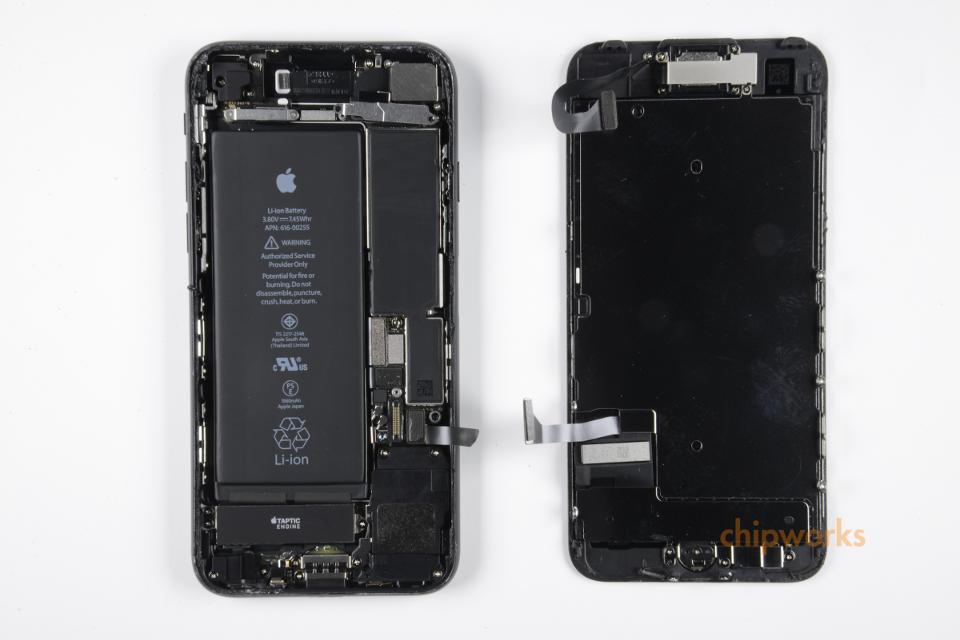
The manufacturing of iPhone chips is a complex and meticulous process that combines advanced technology and skilled labor. This process involves multiple stages, each critical to ensuring the final product meets the stringent performance and reliability standards set by Apple. From design to fabrication, the journey of an iPhone chip is a testament to modern engineering and innovation.
The production of iPhone chips typically encompasses several key stages, including design, wafer fabrication, assembly, and testing. Each of these stages is essential in creating the high-performance chips that power Apple’s devices.
Step-by-Step Manufacturing Process
The manufacturing process of iPhone chips can be broken down into specific phases that highlight the intricate operations involved:
1. Design: The initial phase involves engineers designing the chip architecture and functionality using specialized software tools. This stage sets the groundwork for what the chip will do, balancing power efficiency and processing speed.
2. Wafer Fabrication: This critical step is where raw silicon wafers are transformed into functional microchips. The process involves several sub-steps:
– Photolithography: A light-sensitive photoresist is applied to the wafer, shaping the circuitry pattern.
– Etching: Unwanted silicon is removed, leaving behind the desired circuit pattern.
– Doping: Impurities are introduced into the silicon to alter its electrical properties, critical for transistor functionality.
– Thin Film Deposition: Layers of materials are added to create the various components, such as gates and interconnects.
3. Assembly: After the wafers are sliced into individual chips, they are packaged into protective casings. This process often includes:
– Die Bonding: Each microchip is attached to a substrate or circuit board.
– Wire Bonding: Tiny gold or aluminum wires connect the chip to the package, allowing it to communicate with other components.
– Encapsulation: The chip is covered to protect it from environmental damage.
4. Testing: Final testing involves rigorous checks to ensure each chip meets performance specifications. Chips undergo electrical testing, thermal cycling, and functionality tests to verify their reliability.
Key Players in Chip Production
The manufacturing of iPhone chips involves collaboration among several key players in the semiconductor industry, each specializing in different aspects of chip production. Notable contributors include:
– Apple Inc.: As the designer and end-user, Apple dictates the specifications and requirements for its chips.
– TSMC (Taiwan Semiconductor Manufacturing Company): The primary foundry responsible for fabricating Apple’s chip designs, TSMC is recognized for its leading-edge manufacturing capabilities.
– Samsung Electronics: Occasionally provides memory chips and components used in iPhones, leveraging their advanced manufacturing processes.
– ASE Technology Holding Co.: Engages in packaging and testing services for the chips produced.
Challenges in Chip Manufacturing
The production of iPhone chips is fraught with several challenges that can impact quality and supply. Understanding these potential hurdles is essential for stakeholders involved in the chip manufacturing process. Key challenges include:
– Technological Complexity: As chip designs become more intricate, the manufacturing processes must continuously evolve, requiring significant investment in R&D.
– Supply Chain Disruptions: Global events, such as the COVID-19 pandemic, have highlighted vulnerabilities in the supply chain, affecting material availability and production capacity.
– Yield Rates: Achieving high yield rates, where a large percentage of chips meet quality standards, is critical. Any defect during manufacturing can result in substantial financial losses.
– Environmental Regulations: The semiconductor industry faces stringent environmental regulations, necessitating compliance in manufacturing processes which can add costs and complexity.
In summary, the manufacturing of iPhone chips is a sophisticated process that combines advanced technology with collaboration among leading industry players. Despite the challenges faced, ongoing innovation in chip design and manufacturing continues to drive progress in the smartphone industry.
Performance Metrics of iPhone Chips
The performance of iPhone chips significantly impacts the overall user experience, influencing everything from app responsiveness to gaming capabilities. Apple’s continuous innovation in chip design leads to notable advancements in performance metrics with each new generation. Analyzing these metrics requires a comprehensive comparison of benchmarking data across different iPhone chip versions.
The evaluation of iPhone chips typically revolves around several key performance benchmarks, including CPU and GPU speeds, energy efficiency, and real-world application performance. Apple’s A-series chips are engineered with cutting-edge technology that enhances both computational and graphical power. This section provides an in-depth look at the milestones achieved with the latest chips compared to their predecessors.
Comparative Performance Benchmarks
The computational capabilities of iPhone chips can be primarily assessed through various benchmarking tools such as Geekbench and AnTuTu. These tools provide numerical values that represent the processing power for both single-core and multi-core tasks. Below is a comparative list of key performance metrics from the A12 Bionic to the latest A17 Pro chip:
- A12 Bionic: This chip introduced a 7nm process technology, achieving around 1110 single-core points and 4500 multi-core points in Geekbench.
- A13 Bionic: With improvements in architecture, this chip boasted approximately 1320 single-core and 3400 multi-core points, demonstrating a significant leap in performance.
- A14 Bionic: Utilizing a 5nm technology, the A14 achieved around 1600 single-core and 4600 multi-core points, enhancing efficiency and speed.
- A15 Bionic: Found in devices like the iPhone 13, the A15 produced around 1730 single-core and 4700 multi-core points, further refining processing speeds.
- A16 Bionic: The A16 chip, introduced with the iPhone 14 Pro, scored approximately 1870 single-core and 4900 multi-core points, showcasing Apple’s commitment to performance enhancement.
- A17 Pro: The latest addition featuring advanced 3nm technology, this chip achieved around 2000 single-core and 5200 multi-core points, emphasizing the trajectory of rapid growth in processing power.
The progress from one generation to the next reveals a consistent upward trend in both single-core and multi-core performance, demonstrating Apple’s effective chip architecture improvements.
Impact of Chip Architecture on App Performance
The architecture of iPhone chips plays a critical role in determining app performance. Apple’s custom silicon designs, including the introduction of high-efficiency cores alongside high-performance cores, allow for better resource management and multitasking capabilities. This architecture enables smoother app functionality and provides a seamless user experience.
Key aspects include:
- Unified Memory Architecture (UMA): This feature allows the CPU and GPU to share memory resources, resulting in faster data access and improved overall performance.
- Neural Engine: Designed for machine learning tasks, the Neural Engine enhances app capabilities, particularly in AI-driven applications, providing faster and more accurate results.
- High-Efficiency Cores: The integration of high-efficiency cores helps maintain performance while optimizing battery life by managing less demanding tasks without engaging high-performance cores.
The result of these advancements is a noticeable enhancement in app responsiveness and execution, allowing developers to create more complex and resource-intensive applications that run smoothly on the latest iPhones.
“The evolution of Apple’s chip architecture is not merely about raw speed; it’s also about creating a balanced ecosystem where performance and efficiency coexist harmoniously.”
Future Trends in iPhone Chip Development
As the mobile technology landscape continues to evolve, the development of iPhone chips is poised to lead significant advancements. Apple has consistently pushed the boundaries of performance, efficiency, and integration in its silicon offerings. Future trends indicate that iPhone chips will not only become more powerful but also smarter, more efficient, and more deeply integrated with emerging technologies.
The shift towards advanced chip architectures, including 3nm process technology and beyond, promises substantial improvements in efficiency and performance. As Apple incorporates Machine Learning (ML) and Artificial Intelligence (AI) capabilities directly into its chips, the functionality of iPhones will expand beyond traditional use cases, enabling more sophisticated applications and services. This evolution in chip technology will significantly enhance user experiences and device interactivity.
Advancements in Chip Technology
Future advancements in iPhone chip technology are expected to center around several key areas, each contributing to increased performance and efficiency. These areas include:
- 3nm and Smaller Process Nodes: Reducing the size of transistors enables more components to fit on a single chip, enhancing speed and reducing power consumption. For instance, moving to a 3nm architecture from the current 5nm could provide up to a 15% increase in performance and a 30% improvement in energy efficiency.
- AI and Machine Learning Integration: Future chips will likely feature dedicated AI processing units that can handle complex ML tasks directly on-device. This will lead to real-time processing capabilities for features like advanced photography, voice recognition, and predictive text.
- Improved Graphics Processing: With the rise of mobile gaming and augmented reality (AR) applications, advancements in GPUs within iPhone chips will provide enhanced graphical fidelity and faster rendering times, critical for immersive experiences.
- Enhanced Security Features: The inclusion of additional security protocols directly in the chip architecture will offer users improved protection against threats, including better encryption methods and biometric authentication capabilities.
Influence of Emerging Technologies on Chip Design, Chip iphone
Emerging technologies such as quantum computing, 5G networks, and advanced materials science are anticipated to significantly influence future iPhone chip designs. These technologies can alter the way chips are conceptualized, manufactured, and utilized.
The integration of 5G technology requires chips capable of handling high-speed data transfers, which in turn drives innovations in antenna design and energy management within the silicon architecture. The potential of quantum computing could lead to the development of chips that harness quantum bits for unprecedented processing power, although this remains a longer-term aspiration.
Advanced materials, such as graphene and carbon nanotubes, may also play a role in enhancing chip performance. These materials promise improved conductivity and thermal management, essential for maintaining performance in increasingly powerful chips.
Impact of Chip Innovation on Mobile Devices
As iPhone chip innovation continues to accelerate, the trajectory of mobile devices as a whole is set to transform. The expected enhancements in processing power and energy efficiency will result in devices that are significantly more capable and versatile.
Key impacts include:
- Extended Battery Life: As chips become more power-efficient, users can expect longer battery life without compromising performance. This is crucial as mobile devices become central to daily activities.
- Richer User Experiences: With powerful chips, applications can offer more engaging and interactive experiences, such as real-time AR, immersive gaming, and advanced health monitoring functionalities.
- Greater Connectivity: Enhanced chip capabilities will lead to better handling of multiple connections, allowing for seamless integration of devices in the Internet of Things (IoT) ecosystem.
- Continued Miniaturization: Advances in chip technology will facilitate the development of slimmer, lighter devices without sacrificing performance, redefining consumer expectations for sleekness and portability.
FAQs: Chip Iphone
What is the A-series chip in iPhones?
The A-series chip is Apple’s custom-designed processor that powers iPhones, providing exceptional performance and efficiency.
How often does Apple release new A-series chips?
Apple typically releases new A-series chips annually alongside new iPhone models, introducing enhancements in performance and capabilities.
What impact do iPhone chips have on battery life?
Advanced chip technology optimizes power consumption, significantly improving battery life while maintaining high performance levels.
Who manufactures the chips for iPhones?
Apple collaborates with companies like TSMC (Taiwan Semiconductor Manufacturing Company) for the manufacturing of iPhone chips.
What future advancements can we expect for iPhone chips?
Future iPhone chips may feature enhanced AI capabilities, improved energy efficiency, and integration of 5G technology.
The Galaxy S 6 stands out for its sleek design and powerful performance, making it a popular choice among smartphone enthusiasts. With features that were ahead of its time, it set a new standard for the industry. Users appreciated its camera quality and user-friendly interface, which paved the way for future models in the Samsung lineup.
When it comes to premium smartphones, the Samsung Galaxy S10 Plus is often regarded as one of the best. Its stunning display, advanced camera capabilities, and robust performance cater to both casual users and tech aficionados. This model not only showcases Samsung’s commitment to innovation but also enhances the overall smartphone experience with seamless multitasking and exceptional battery life.